



You use a split body ball valve to control how liquids or gases move in many factories. This ball valve has a special design. It makes fixing and cleaning easy. It also helps the system work well and not break down. Many factories pick this valve because it keeps things safe and helps them work better. The world market for split body ball valves was worth USD 2.5 billion in 2024. Experts think it will grow to USD 4.5 billion by 2034. This shows that many people want these valves. TANGGONG VALVE is a top company. They make great products that people trust everywhere.
-
The market is expected to grow at a CAGR of 6.0%.
Key Takeaways
-
Split body ball valves are made for easy maintenance. You can reach inside parts without taking out the whole valve. This saves you time and work.
-
These valves seal well and stop leaks. They help keep things safe in many industries.
-
Pick the right materials for your ball valve. It depends on the fluids you use. Stainless steel works best for corrosive stuff. Carbon steel is good for clean liquids.
-
Check your valve often to keep it working. Look for leaks and rust. This helps your valve last longer.
-
Split body ball valves are useful in many places. They are used in oil and gas, chemical plants, and water treatment.
Split Body Ball Valve Structure
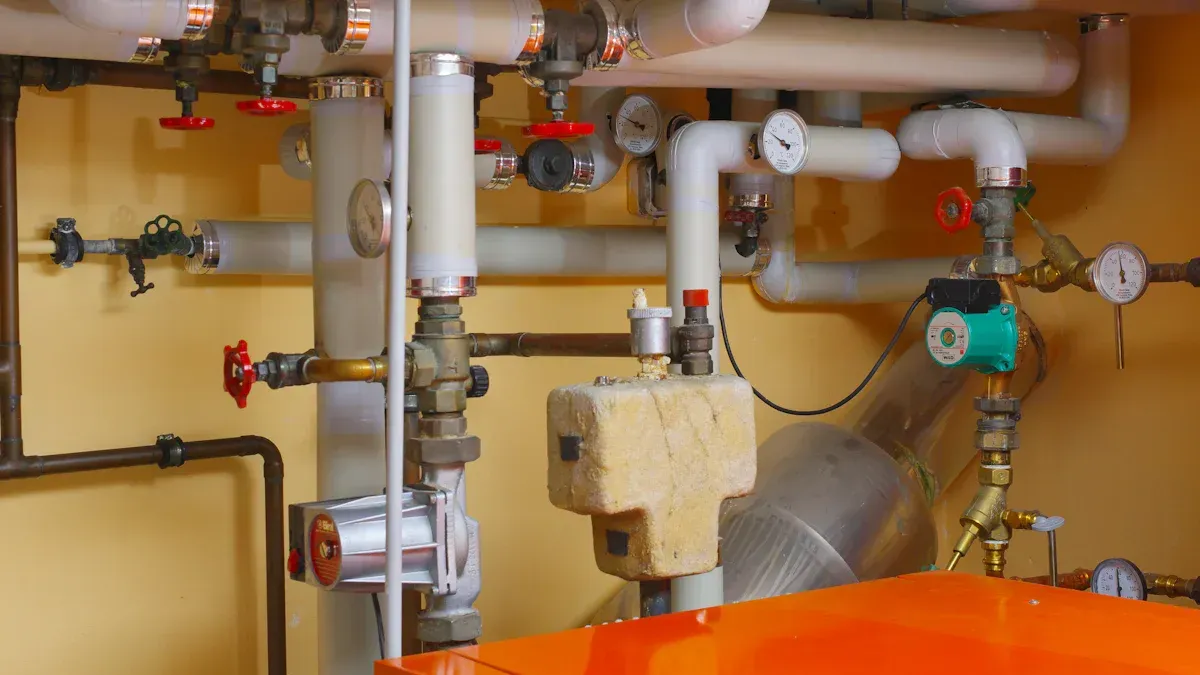
Split Body Design
You will find that a split body ball valve uses a special construction. The body splits into two or three pieces. This design makes it easy for you to take the valve apart and put it back together. You can quickly reach the inside parts for cleaning or repairs. The split body design uses bolts to hold the pieces together. When you need to fix something, you just remove the bolts and open the valve. You do not have to remove the whole ball valve from the pipeline. This saves you time and effort.
Tip: If you work in a busy plant, you want equipment that is easy to maintain. The split body ball valve helps you keep your system running with less downtime.
Here is a table that shows common features of split body ball valves:
|
Design Feature |
Description |
|---|---|
|
Type |
You can choose 2 piece or 3 piece ball valve designs. |
|
Body Design |
The body splits in one or two places, usually near the flanges. |
|
Maintenance |
You get easy access for cleaning and repairs. |
|
Common Sizes |
Three-piece ball valves are popular for smaller sizes. |
|
Trunnion Mounted |
Larger ball valves often use trunnion mounting for heavy parts. |
Main Components
A ball valve has several important parts. You will see the body, which holds everything together. Inside, there is a round ball with a hole through the middle. This ball turns to open or close the flow. The seats press against the ball to make a tight seal. The stem connects the ball to the handle or actuator. When you turn the handle, the stem rotates the ball. Seals and gaskets keep the fluid from leaking out. Flanges or threaded ends connect the ball valve to the pipeline.
-
The body splits for easy access.
-
The ball controls the flow.
-
The seats and seals stop leaks.
-
The stem and handle let you operate the valve.
Materials and Standards
You can choose from many materials for your ball valve. Common options include stainless steel, carbon steel, brass, bronze, and special alloys like Inconel or Hastelloy. Some ball valves use plastics or ceramics for special jobs. TANGGONG VALVE offers ball valves made from high-quality metals and polymers. These materials work well in tough conditions, such as high pressure or extreme temperatures.
TANGGONG VALVE manufactures ball valves that meet strict standards. You will see certifications like API 6D, CE, TUV, and ISO 9001:2015. These standards make sure your ball valve is safe, reliable, and ready for industrial use.
How a Split Body Ball Valve Works
Flow Control Mechanism
You use a split body ball valve to manage the movement of liquids or gases in a pipeline. The main part inside the ball valve is a round ball with a hole through the center. When you turn the handle, the ball rotates. If the hole lines up with the pipeline, fluid flows straight through. If you turn the ball so the hole is sideways, the flow stops. This simple action gives you strong control over the flow.
The floating ball design is important for the working principle of split ball valve. The ball can move a little inside the valve body. When fluid pressure builds up, it pushes the ball against the seat on the downstream side. This action creates a tight seal and helps you control the flow very well. You get smooth operation and reliable shutoff, especially in low- to medium-pressure systems. This design makes the split body ball valve a popular choice for many industries.
TANGGONG VALVE’s ball valve series uses this floating ball design to give you precise flow control. You can count on these valves for quick response and easy operation.
Sealing and Shutoff
You want a ball valve that stops leaks and keeps your system safe. The split body ball valve uses seats made from strong materials like PTFE, RPTFE, or metal. These seats press tightly against the ball. When you close the valve, the ball blocks the flow path. The pressure from the fluid pushes the ball even harder against the seat, making the seal even stronger.
This tight sealing is one of the best features of a split body ball valve. You get bubble-tight shutoff, which means no fluid leaks past the closed ball. TANGGONG VALVE designs its ball valves to meet strict standards for sealing. You can use these valves in systems where safety and reliability matter most.
Note: A good seal protects your equipment and the environment. Always choose a ball valve with proven sealing performance.
Operation (Quarter-Turn)
You operate a split body ball valve with a simple quarter-turn motion. You only need to turn the handle 90 degrees to open or close the valve. This quick action saves you time and effort. The handle or actuator connects to the stem, which turns the ball inside the valve body.
TANGGONG VALVE’s ball valve series offers low operating torque. You do not need much force to turn the valve. You can use manual levers, gear operators, or even electric and pneumatic actuators for remote control. This flexibility makes the split body ball valve easy to use in many situations.
You get fast shutoff and reliable flow control with every operation. The quarter-turn design also reduces wear on the valve parts, so your ball valve lasts longer.
Tip: Use a split body ball valve when you need quick, reliable control of your process flow.
Key Features and Benefits
Maintenance and Reliability
You want equipment that is simple to take care of. A split body ball valve makes this easy for you. You can open the valve by taking out a few bolts. This lets you clean or fix the inside parts fast. You do not need to remove the whole ball valve from the pipeline. This saves time and keeps your plant working longer. TANGGONG VALVE makes each ball valve to meet strict rules. You get good performance and worry less about leaks or problems.
Here is a table that shows why a split body ball valve is special:
|
Feature |
Description |
|---|---|
|
Design |
The body splits into two or three pieces for easy access. |
|
Cost-Effectiveness |
More affordable than some other types, so you save money. |
|
Maintenance |
You can reach the inside parts quickly for repairs or cleaning. |
|
Versatility |
Available in many sizes and pressure ratings for different jobs. |
|
Pressure Limitations |
The joint seal may limit use in very high-pressure systems. |
Tip: Doing regular checks helps your ball valve last longer and work better.
Durability and Safety
You need a ball valve that can handle hard work and keep your plant safe. TANGGONG VALVE uses strong metals like stainless steel and Inconel. These metals do not wear out fast or rust easily. They also stand up to high heat. The fire-safe design gives extra safety. If a fire burns the soft seat, a metal-to-metal seal keeps the valve closed. Stems that resist high heat do not melt in a fire. Special O-rings and graphite gaskets help the seal stay tight, even if the O-ring burns.
-
Metal-to-metal seal keeps the valve closed if the soft seat burns.
-
High-temperature stems do not melt in a fire.
-
Special O-rings and graphite gaskets keep the seal, even if the O-ring burns.
TANGGONG VALVE’s ball valves have certifications like API 6D, CE, and ISO 9001:2015. You can trust these valves in tough or dangerous places.
Application Versatility
You can use a ball valve in many fields. Oil and gas, chemical plants, power stations, and water systems all use ball valves for safe flow control. TANGGONG VALVE has ball valves in many sizes, pressure classes, and materials. You can pick manual, electric, or pneumatic ways to use them. This means you always find the right ball valve for your job. The split body ball valve works well in pipelines, storage tanks, and process systems.
A good ball valve helps you control flow, stop leaks, and keep things safe in any job.
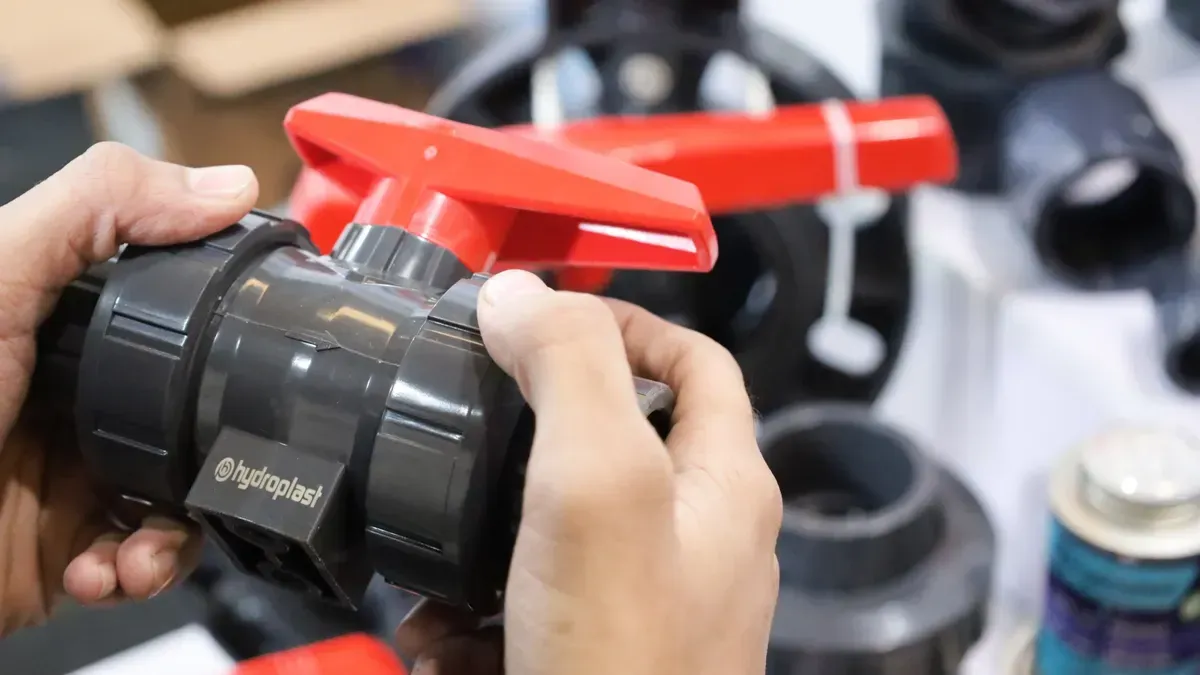
Split Body vs Other Ball Valves
One-Piece vs Split Body
Factories use different ball valves. One-piece ball valves have just one body. You cannot take them apart easily. If you need to fix or clean them, you must remove the whole valve from the pipeline. This takes more time and can stop your work. One-piece ball valves cost less, but you lose flexibility. You cannot reach the inside parts without removing the valve.
Split body ball valves give you more choices. You can open the body by taking out bolts. You can reach the ball, seats, and seals without removing the valve from the pipeline. This saves you time and keeps your system working. You pick split body ball valves when you want easy maintenance and quick repairs.
Three-Piece vs Split Body
Three-piece ball valves are even more flexible. You can take them apart without disconnecting the pipes. You can check and fix the valve while it stays in place. You can change important parts quickly. This design makes repairs faster and easier. You use three-piece ball valves where you need to clean or fix them often.
Split body ball valves also let you get inside easily, but sometimes you need to take the valve out of the pipeline for some repairs. Three-way split ball valves give you more ways to move fluid. You can send fluid in different directions, so they are good for complex systems.
Tip: Pick three-piece ball valves for jobs that need lots of repairs. Use split body ball valves for strong shutoff and easy access.
Choosing the Right Ball Valve
You need to think about a few things before you choose a ball valve. Here is a table to help you decide:
|
Factor |
Description |
|---|---|
|
Medium Characteristics |
Pick stainless steel or Hastelloy for corrosive fluids. Use carbon steel for clean media. |
|
Operating Pressure & Temperature |
Use trunnion mounted ball valves for high pressure. Choose metal seats for high temperatures. |
|
Valve Body & Seat Materials |
Match materials to your environment. PTFE works for most jobs. Metal seats last longer. |
|
Actuation Method |
Manual is simple. Pneumatic is fast. Hydraulic is strong. Electric is accurate. |
|
Design & Installation |
Top-entry valves are easy to service. Flanged ends are simple to install. |
|
Flow Requirements |
Full port ball valves let fluid flow freely. Smaller ports cost less but restrict flow. |
You pick a split body ball valve when you want easy repairs, strong sealing, and flexible ways to install it. TANGGONG VALVE has many types, including three-way split ball valve designs for special flow needs. You can find the right ball valve for oil, gas, chemical, and water systems.
Applications and Maintenance
Industrial Uses
Ball valves are used in many industries. They help control flow and keep systems safe. Oil and gas plants use ball valves for pipelines and tanks. Petrochemical factories use them for chemicals and gases. Power stations use ball valves for steam and water. You also find ball valves in marine systems and water treatment plants. Energy storage facilities use ball valves too.
Other common industries include:
-
Chemical processing
-
Pulp and paper
-
Food processing
-
Bio-research
Each industry needs ball valves that can handle tough jobs. TANGGONG VALVE has ball valves in many sizes and materials. You can pick the right ball valve for your work.
Maintenance Practices
You want your ball valve to last a long time. Make a plan to check your valve often. Look for leaks, rust, and damage. Fix problems fast. Clean the valve and add grease to keep it moving well. Use anti-rust treatments to protect the valve. Take care of the gear and remove rust for smooth operation.
If you see leaks inside, add cleaning fluid and grease. If the stem leaks, use good grease. Tighten the stem bolts and change old parts if needed. Think about how well the valve works over time when you fix or replace it.
Tip: Regular care keeps your ball valve safe and working well.
Reliability Factors
You need ball valves that work safely. Pick ball valves made from strong metals like stainless steel or Inconel. Look for certifications like API 6D and ISO 9001:2015. TANGGONG VALVE gives you good ball valves and expert help. You get valves that work in very hot or cold places. Follow good maintenance steps so your ball valve stays reliable for years.
You now know split body ball valves are easy to fix and keep clean. They seal tightly and work well for a long time. TANGGONG VALVE’s ball valves are strong and simple to take care of. They work in many different factories and plants.
If you pick valves with world certifications, your plant stays safe and runs smoothly.
Here is a short table:
|
Type |
Description |
Benefits |
|---|---|---|
|
Two-Piece |
Split housing holds the ball and parts |
Works well in pipelines and water systems |
|
Three-Piece |
Bolted housing lets you reach inside easily |
Great for food, medicine, and quick fixes |
These valves are good for new projects and help protect the environment.
FAQ
What is the main advantage of a split body ball valve?
You can open the valve fast for cleaning or fixing. The split body lets you reach inside parts without taking out the valve. This saves time and keeps your system working.
How do you choose the right material for your ball valve?
You check what fluid you use and where you use it. Stainless steel is good for fluids that can cause rust. Carbon steel works well for clean water or gas. TANGGONG VALVE has many materials to fit your needs.
Can you automate a split body ball valve?
You can use electric, pneumatic, or hydraulic actuators. These tools let you control the valve from far away. TANGGONG VALVE gives you many choices for easy automation.
How often should you maintain your split body ball valve?
You should check your valve every few months. Look for leaks, rust, or broken parts. Clean and grease the moving parts. Regular care helps your valve last longer and stay safe.
What certifications should you look for in a ball valve?
You should look for API 6D, CE, and ISO 9001:2015 certifications. These show the valve is safe and high quality. TANGGONG VALVE ball valves have these certifications for good performance.