



A cryogenic ball valve helps control liquids and gases at very cold temperatures, often colder than -100°C. You need this valve to move fluids like liquefied natural gas, liquid nitrogen, and oxygen. These fluids stay liquid only when it is extremely cold. The ball inside turns a quarter way to open or close the valve. This lets you shut it off quickly and safely. Cryogenic valves use special materials and designs. This helps them work well in tough conditions. These valves are important in oil and gas, air separation, and LNG storage.
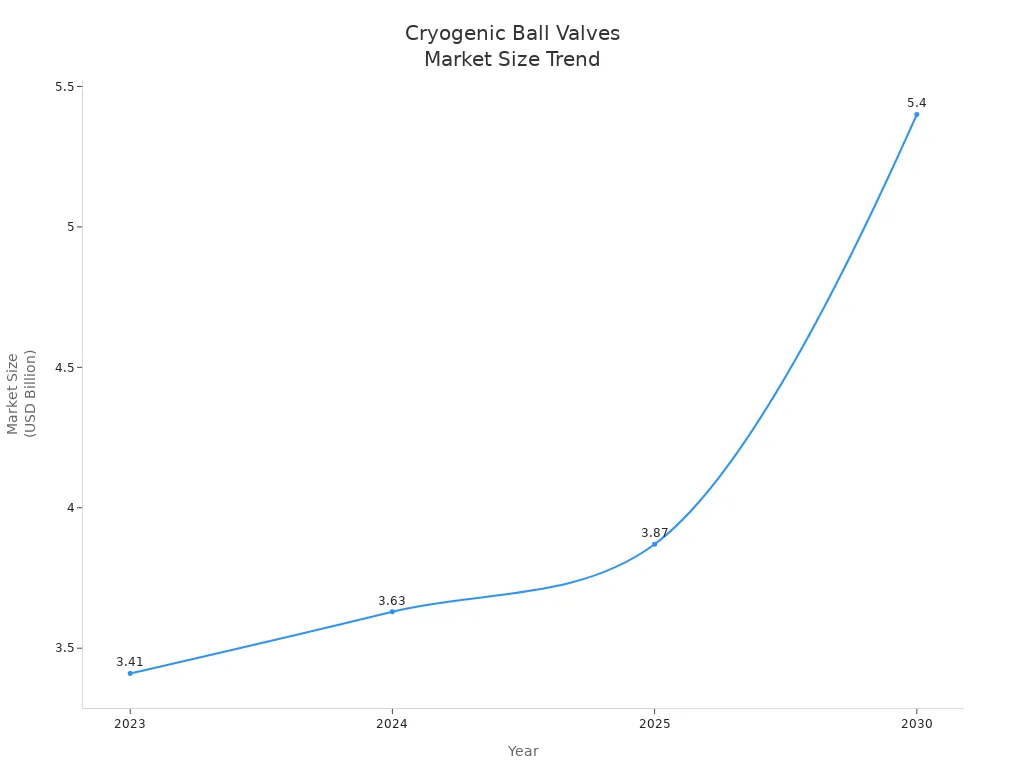
|
Year |
Market Size (USD Billion) |
|---|---|
|
2023 |
3.41 |
|
2024 |
3.63 |
|
2025 |
3.87 |
|
2030 |
5.40 |
Key Takeaways
-
Cryogenic ball valves help control very cold liquids. They are important for moving and storing liquefied gases like LNG and nitrogen. These valves have special designs and materials. This helps stop leaks and keeps things safe in very cold places, sometimes as cold as -196°C. The extended bonnet design keeps important parts warm. This lowers the chance of ice forming and helps the valve seal well. Picking the right cryogenic valve is very important for safety. You should always check the temperature and pressure ratings before you choose one. TANGGONG VALVE makes strong cryogenic valves that follow strict safety rules. Their valves last a long time and work well in tough places.
Cryogenic Ball Valve Basics
What Is a Cryogenic Ball Valve
A cryogenic ball valve is used to control fluids that are very cold. It works at temperatures much lower than most other valves. Some can handle temperatures as low as -196°C (-320°F). You will see these valves where people store or move liquefied gases. These gases include natural gas, nitrogen, and oxygen. The design helps keep the fluid cold and stops leaks, even when it is freezing.
A cryogenic ball valve has special parts that help it work in cold places:
-
Positive ball cavity relief stops pressure from building up inside.
-
Pressure safe stem keeps the valve safe from blowout during hard use.
-
Zero leak packing uses special rings to stop leaks after many uses.
-
Effective bonnet extensions keep the cold away from the handle and stem.
-
High-performance design makes sure it shuts tightly and is easy to use, even if the temperature changes fast.
These features are important when you compare a cryogenic ball valve to a regular valve. Regular valves may not work well in very cold places. They might leak or break. A cryogenic ball valve gives you safety and works well in extreme cold.
Tip: Always check the temperature range before picking a valve. Cryogenic ball valves are made for very cold fluids. Using the right valve keeps your system safe.
Here is a table that shows the usual temperature ranges for cryogenic ball valves:
|
Temperature Range |
Celsius (°C) |
Fahrenheit (°F) |
|---|---|---|
|
Typical Cryogenic Range |
-196°C |
-320°F |
|
Lower Limit |
-40°C |
-40°F |
How Cryogenic Ball Valves Work
You use a handle or actuator to turn a cryogenic ball valve. This turns a ball with a hole in the middle. When the hole matches the pipe, fluid can flow through. If you turn the ball a quarter turn, the flow stops. This makes it easy to shut off quickly.
Cryogenic ball valves use special materials and designs for cold places. Austenitic stainless steel stays strong and flexible when it is very cold. The valve uses metallic or special elastomer seals. These seals stay tight and do not leak, even when other materials would break.
Here are some ways a cryogenic ball valve stays safe in the cold:
-
The valve uses insulation to keep cold away from parts that could freeze.
-
Some valves have electric heaters to stop ice or frost from forming.
-
The manufacturer makes the valve with very tight fits. This means all the parts fit together well, even when they shrink in the cold.
Cryogenic ball valves must meet strict rules to be safe and work well. Here are some important standards:
|
Standard |
Description |
|---|---|
|
BS 6364 |
Tests and design rules for cryogenic valves. |
|
ASME 16.34 |
Rules for valve parts, pressure tests, and materials. |
|
ISO 21011 |
Design and test needs for valves for cryogenic fluids. |
|
ISO 5208 |
Pressure tests for cryogenic valves. |
|
ISO 17292 |
Metal ball valves for oil and chemical industries. |
|
ISO 21028-1 |
Toughness rules for materials at cryogenic temperatures. |
You can trust a cryogenic ball valve to be safe and not leak in very cold places. The special design, materials, and strict rules help your system work well.
Key Features of Cryogenic Ball Valves
Extended Bonnet and Stem Design
The extended bonnet and stem are very important for cryogenic valves. This design keeps the packing chamber and stuffing box away from the cold fluid. Because of this, the sealing parts stay warmer than 8°C. This stops ice from forming and keeps the seal tight. The design also helps stop leaks by protecting the sealing area from the cold. If you need to fix the valve, you can change main parts quickly through the bonnet. This lowers the chance of leaks and helps your system work well.
The extended bonnet makes it easy to add insulation around the valve. This keeps energy loss low and helps protect workers from frostbite. The handle sits higher, so it is away from the cold. TANGGONG VALVE uses this smart design in its ball valve series. You get good performance in every cryogenic job.
-
The raised handle helps protect you from frostbite.
-
The packing chamber stays warm to stop ice and leaks.
-
Insulation and maintenance are simple, which saves time and money.
Materials for Cryogenic Service
Picking the right materials is important for a cryogenic valve. Regular steel can break and get weak when it is very cold. TANGGONG VALVE uses strong materials like austenitic stainless steel, duplex steel, and Inconel. These materials stay tough and bendy, even at -196°C. This means your valve will not break or crack if the pressure changes fast, like in LNG transport.
Here is a table that shows how different material properties help the valve:
|
Aspect |
Impact on Durability and Reliability |
|---|---|
|
Mechanical Properties |
Gives strength and stops bending at low temperatures |
|
Thermophysical Properties |
Controls how the valve grows or shrinks with temperature |
|
Wear Resistance |
Helps the valve last longer in hard conditions |
|
Corrosion Resistance |
Stops rust and damage in tough places |
|
Weldability |
Lets you join parts without making them weak |
When you pick a cryogenic valve from TANGGONG VALVE, you get a strong product. The right materials stop sudden breaks and keep your system safe.
Safety and Leak Prevention
Safety is very important when using cryogenic valves. TANGGONG VALVE adds special features to stop leaks and problems. There is a small relief hole in the ball. This hole lets extra pressure go back into the pipeline. It stops dangerous pressure from building up. The valve also has self-relieving seats. These seats lift up if the pressure gets too high. This lets the valve work both ways. Some valves have an outside thermal relief valve. This gives another way for pressure to escape and makes things safer.
TANGGONG VALVE makes sure every cryogenic valve meets strict world standards. You can trust these certifications:
|
Certification |
Description |
|---|---|
|
API 6D |
Sets rules for pressure, temperature, and leak prevention |
|
ASME |
Covers valve connections and sizes for safe use |
|
ISO 28921 |
Gives test steps and rules for cryogenic valve performance |
You also get fire-safe designs (API 607 or API 6FA), low emission packing (ISO 15848-1), and CE marking for European safety. These features and certifications mean you can trust TANGGONG VALVE for safe, leak-free cryogenic service in any industry.
Note: Always look for these certifications when you pick a cryogenic valve. They show the valve is safe and high quality.
TANGGONG VALVE Cryogenic Ball Valve Designs
Floating vs. Trunnion Ball Valves
You can pick either a cryogenic floating ball valve or a trunnion mounted ball valve. Each one has its own good points. Cryogenic floating ball valves are best for low or medium pressure. They have a simple design and not many parts. Trunnion mounted ball valves work for medium or high pressure. They use trunnions to hold the ball steady and need less force to turn. The table below shows how they are different:
|
Feature |
Floating Ball Valves |
Trunnion Mounted Ball Valves |
|---|---|---|
|
Design |
Simpler with fewer parts |
More complex, uses trunnions for support |
|
Operating Torque |
Needs more force at high pressure |
Needs less force because the ball is fixed |
|
Pressure Suitability |
Good for low or medium pressure |
Good for medium or high pressure |
|
Pipeline Diameter |
Usually under 10 inches |
10 inches or more |
|
Application |
Used for LNG skids and small gas lines |
Used for big pipelines and multi-port valves |
|
Seal Reliability |
Depends on the pressure of the fluid |
Uses springs for steady sealing |
|
Temperature Compatibility |
Made with cryogenic materials |
Made with cryogenic materials |
Cryogenic floating ball valves are small and let lots of fluid pass. You can use them for LNG skids or small gas pipes. Trunnion ball valves are better for bigger pipes and higher pressure.
Full Welded and Forged Options
You can get full welded or forged cryogenic ball valves. Full welded valves do not have outside leak spots. They are good for pipes that are buried and must not leak. Forged valves are very strong and last a long time. Both types use tough materials like stainless steel and Inconel. TANGGONG VALVE uses long bonnets to keep the packing warm. The strong body stops shrinking from the cold. You get good results even when it is super cold.
-
Cryogenic floating ball valves have strong seals for safety.
-
Long bonnets keep the packing safe and make fixing easier.
-
Welded and forged valves help you follow safety rules.
Actuation and Control Options
You can make your cryogenic floating ball valves work by hand or by machine. You can use levers, electric motors, air power, or oil power. Bidirectional valves save space and money. You do not need extra pipes. This helps your system work better and cost less. You also stop CO₂ leaks and save energy.
-
Bidirectional valves help you save space and money.
-
One way to open or close makes things faster.
-
You help the planet by cutting down on emissions.
Cryogenic floating ball valves turn only a quarter way to open or close. You can add machines to do this for you. They let lots of fluid move and are not big. Your system works better and is easy to take care of.
Tip: Pick the best cryogenic floating ball valve and control type for your job. TANGGONG VALVE gives you safety, trust, and good results.
Applications of Cryogenic Control Valves
LNG and Industrial Gas
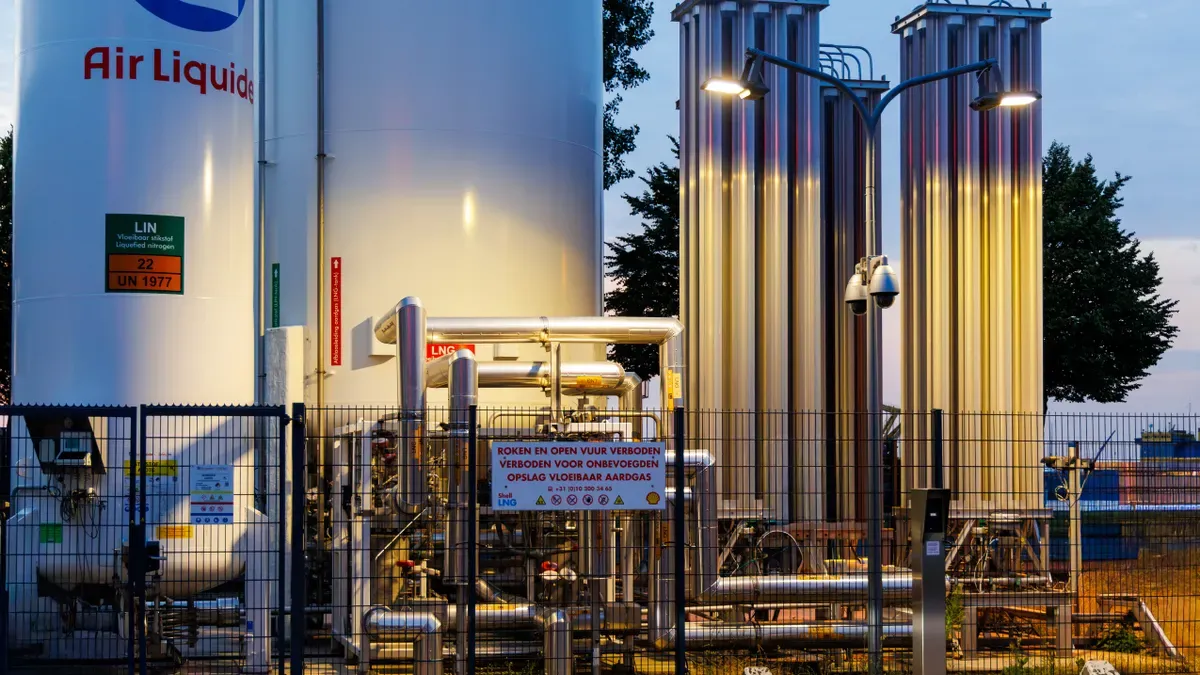
Cryogenic control valves are used everywhere in the LNG industry. They help move and control liquefied natural gas from start to finish. The table below shows where you use these valves in LNG:
|
Application Type |
Description |
|---|---|
|
Liquefaction |
Cryogenic valves control flow and pressure during liquefaction. |
|
Storage |
Valves keep LNG safe in cold storage tanks. |
|
Transportation |
Valves stop leaks and keep LNG safe during transport. |
|
Regasification |
Valves manage flow as LNG turns back into gas. |
Cryogenic control valves are also important in making industrial gases. They work well at very low temperatures and high pressures. These valves keep your system safe and running smoothly. They stop leaks and make sure the flow is always right. As more people need industrial gases, these valves are used more in healthcare, energy, and factories.
Petrochemical and Energy
- Cryogenic control valves are needed for many jobs in petrochemical and energy fields. You use them in LNG liquefaction, storage, and moving systems. They help control cold chemical processes and keep things safe. As hydrogen is used more for clean energy, these valves are needed for liquid hydrogen storage and moving it. Cryogenic jobs in these areas need valves that can handle fast changes in temperature and pressure. TANGGONG VALVE gives strong cryogenic control valves to big projects around the world. This helps you meet tough safety and performance rules.
-
You get exact flow control for cold chemicals.
-
You keep your system safe when temperatures change fast.
-
You help clean energy by using valves for hydrogen storage.
Marine and Other Industries
Cryogenic control valves are also used on ships and in other industries. Ships that carry LNG or other cold fluids need valves that work in tough places. These valves must not rust and must last a long time. The table below shows why strong valves are needed in these jobs:
|
Evidence Type |
Description |
|---|---|
|
Durability |
Valves last a long time in tough marine places. |
|
Safety Compliance |
Valves help stop leaks and protect nature. |
|
Operational Efficiency |
Valves keep flow steady when temperatures change. |
You also find cryogenic control valves in space, food factories, and science labs. These valves stop dangerous gas leaks and keep people and equipment safe. TANGGONG VALVE is known around the world and has lots of experience. You can trust their valves to be safe and work well in any cold job.
Note: Picking the right cryogenic control valves keeps your system, people, and the planet safe.
You use a cryogenic ball valve to control very cold fluids. TANGGONG VALVE’s ball valves have strong seals and long bonnets. They are made with tough, reliable materials. These valves need little force to turn and close tightly. They last a long time and work well. Picking the right valve keeps your system safe and running smoothly. TANGGONG VALVE has top awards and certifications:
|
Certification/Recognition |
Description |
|---|---|
|
CNAS-accredited testing |
Meets international safety standards |
|
National High-Tech Enterprise |
Recognized for innovation and technology |
|
Zhejiang Hidden Champion |
Sets industry benchmarks for quality |
You can count on TANGGONG VALVE for safe and trusted cryogenic valves.
FAQ
What makes a cryogenic ball valve different from a regular ball valve?
A cryogenic ball valve is for very cold fluids. It uses special materials and has a longer bonnet. This design helps the valve stay safe and not leak in cold systems.
How do you maintain a cryogenic ball valve?
Check the seals and packing often to stop leaks. Make sure the bonnet has insulation. Clean off any frost or ice on the valve. Always follow the maker’s instructions for your system.
Can you use a cryogenic ball valve for high-pressure applications?
Some cryogenic ball valves work for high-pressure jobs. Trunnion-mounted types are best for these uses. Always check the pressure rating before you put in the valve.
Why is the extended bonnet important?
The long bonnet keeps the stem and packing warm. This stops ice and helps prevent leaks. It also keeps you safe from cold burns when you use the valve.
Where do you install cryogenic ball valves?
You put these valves in LNG plants and gas factories. They also go in cryogenic piping systems. The valves control very cold liquids and gases in these places.